Keeping Lawn Fungus at Bay: Tips for a Healthy, Happy Lawn
🍄 Let’s dive deep into the world of lawn fungus today, with a focus on a notorious summer disease: Brown Patch. This pesky fungus particularly targets cool-season turfgrasses like tall fescue and perennial rye during the heat of late spring and summer.
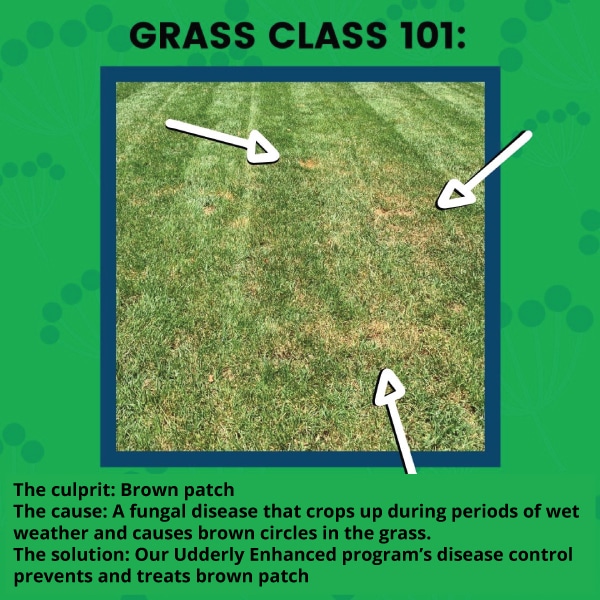
As temperatures climb, the likelihood of Brown Patch making an unwelcome appearance in your garden also rises, thriving in humid conditions and potentially spoiling the lush look of your lawn. We’ll explore how to detect and fend off this cheeky intruder. 🍄
What’s Brown Patch All About?
Brown Patch shows up as small, irregularly shaped patches and will spread into large, very visible patches. Brown Patch is primarily caused by the Rhizoctonia species of fungus, which finds both rainy and dry summers to its liking, thanks to the evening dew that provides necessary moisture. This disease can create unsightly, circular patches that discolor the turf, making it appear yellow-brown and thinned out.
When Does Brown Patch Strike?
Be vigilant from mid-May to September, especially when daytime temperatures exceed 85ºF and nighttime temperatures remain above 65ºF. High humidity creates the perfect conditions for this fungus to thrive.
Signs of Trouble:
Keep an eye out for those telltale signs that Brown Patch is making itself at home in your lawn. You might notice circular patches where the grass seems a bit thin and sports a yellow-brown tinge—like a lawn crying out for help.
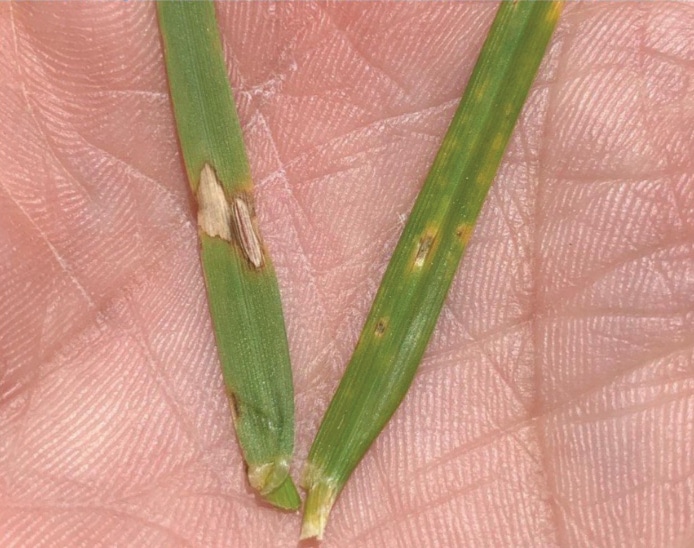
Upon taking a closer look, you’ll see the grass blades might have elongated spots, bordered by tan or chocolate-brown edges. These patches don’t always link up to form a clear pattern, but their scattered presence can make your turf look a little sad and scruffy, stealing away its lush, green charm.
Fending Off Brown Patch:
- Fertilizing Wisely: Avoid excessive nitrogen, particularly from fast-acting sources, which can fuel fungal growth.
- Smart Watering: Set sprinklers for early mornings to ensure grass blades have time to dry off by evening, reducing fungal attraction.
- Choosing the Right Grass: Opt for grass types like tall fescue that are better suited for our area and less prone to Brown Patch. Avoid high percentages of perennial rye.
- Mower Maintenance: Always disinfect your mower after use to prevent spreading the fungus. Keep blades sharp to prevent tearing the grass, which makes it easier for fungi to take hold.
Managing This Lawn Disease:
Although Brown Patch can be severe, it typically doesn’t kill the grass. With proper care, particularly through strategic fall lawn maintenance, your lawn can recover. In harsher summers, consider overseeding in early fall with resistant varieties of tall fescue to help reduce disease severity the following year. Remember, while fungicides are available, they are most effective as preventive measures rather than cures.
🍄 For the most effective control strategies and personalized care tips, we’ll keep posting season-relevant blogs like this. We’re here to help ensure your turf remains a source of pride. Don’t hesitate to send us a photo if you suspect Brown Patch—we’ll provide expert advice on how to manage it!